













On our recent third-quarter earnings call, one analyst asked how our pipeline for data center field services was developing. It was a fair question, and the answer says a lot about where AI is heading.
AI conversations still center on models and chips. The ones I have with clients increasingly turn to something more physical: who will install the racks, connect the cooling, validate the systems, and keep them running after the build is finished.
My answer highlighted the constraint in AI infrastructure is increasingly skilled expertise to deploy and maintain it. Here’s why I believe that, and why it matters for any organization planning its next AI investment.
AI is a physical build-out
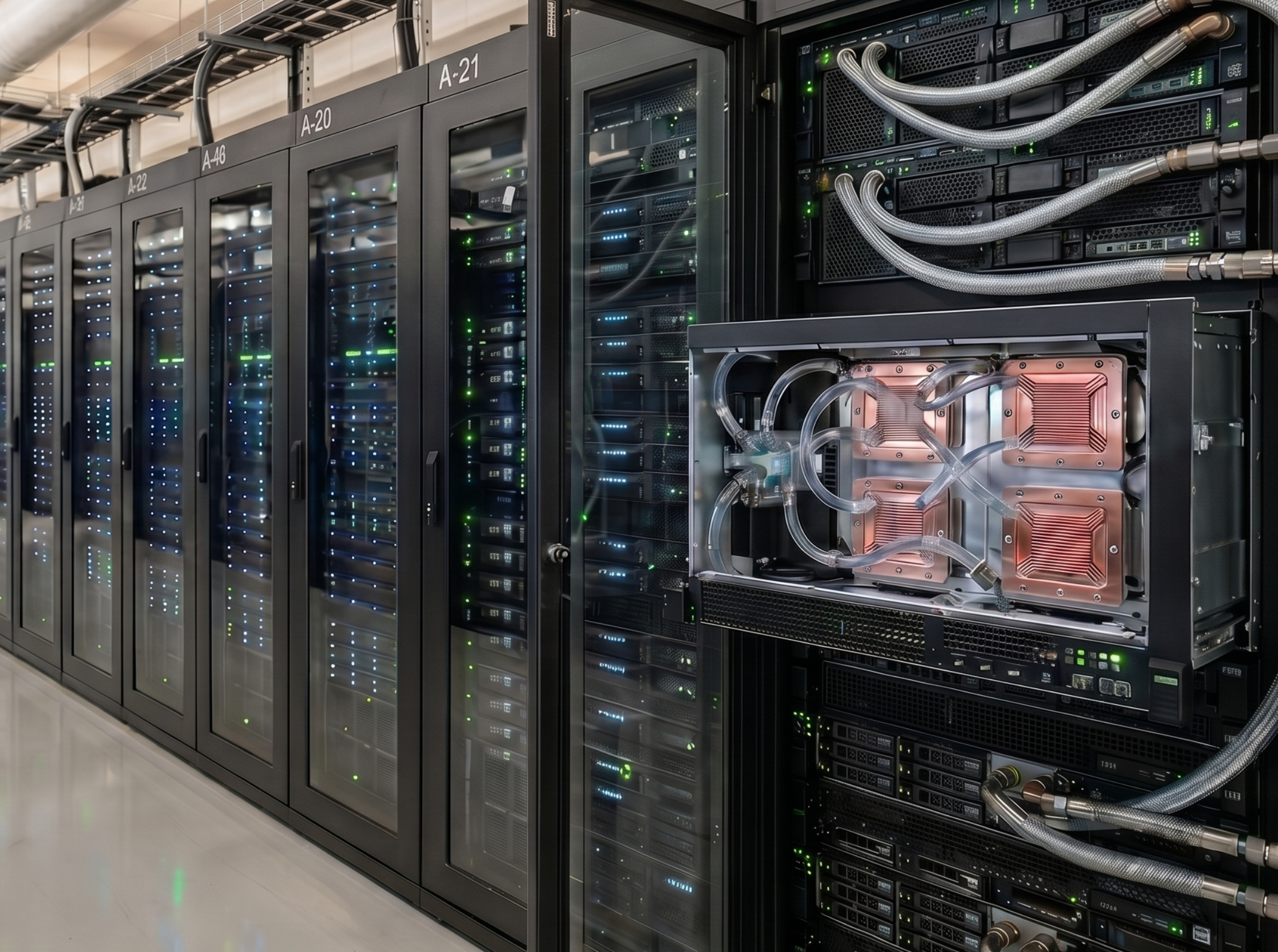
Behind every AI model is a building full of equipment. AI workloads run on dense racks of high-performance computing that generate far more heat than many data centers were designed to handle. Air cooling often can’t keep up, so more operators are turning to direct-to-chip and immersion liquid cooling.
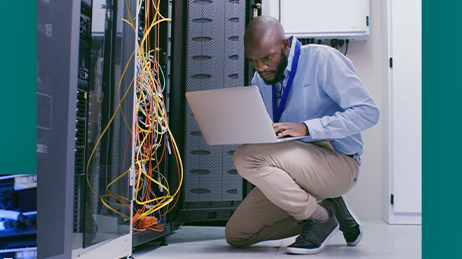
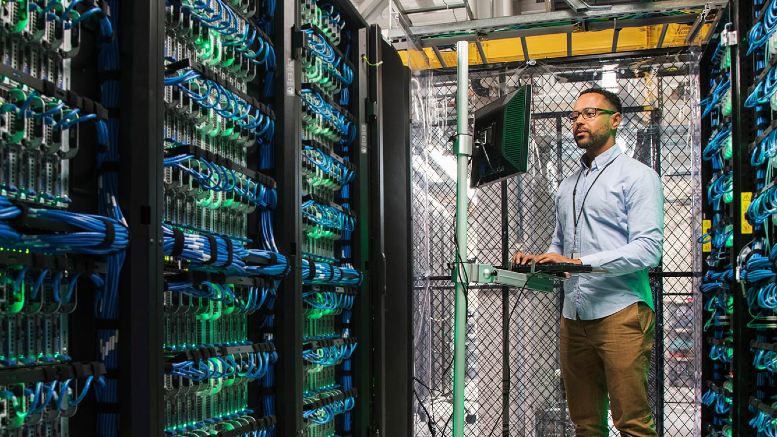
That equipment doesn’t install or maintain itself. Each new environment requires rack-and-stack installation, cabling, network and storage setup, cooling distribution, commissioning and validation before it can carry a single workload. After that comes the part that lasts for years: monitoring, maintenance and break-fix support for systems that are expected to run around the clock.
As capital flows into AI infrastructure, all of that work flows with it. It’s one of the least-discussed parts of the AI story and one of the most important to get right.
Expertise is the constraint
Equipment can be ordered. The technicians who know how to commission a liquid-cooled rack, spot a failing pump before it causes an outage or restore a high-density environment after a fault take years to develop. They’re also in short supply, as experienced field engineers retire faster than new ones join the profession.
This is where the gap between ambition and execution shows up. An organization can secure the funding and the equipment and still find that its timeline depends on whether qualified people can be on site when the equipment arrives.
Why operational experience compounds
Here’s the part I think many organizations underestimate. Running AI infrastructure draws on the same discipline it takes to run any mission-critical environment: rigorous change control, spare parts logistics, documented procedures, fast escalation and teams that have seen enough failures to recognize the early signs of the next one.
Our associates do this work every day. They keep passenger processing equipment running in airports, support branch and ATM networks for banks, and run data centers and cloud environments for public sector agencies. These are systems that can’t wait for next quarter’s budget. We’re now bringing that experience to AI environments, adding liquid-cooling skills to our field service teams, and expanding our role beyond running and repairing data centers to helping build them.
Every installation teaches something about what fails, how it fails, and how to fix it faster. That knowledge carries from one client environment to the next, which is why I see operational expertise as an advantage that grows over time. Equipment can be bought with a purchase order. The judgment that comes from years of keeping critical systems running has to be earned.
Partnerships and footprint matter
No single company has every piece of AI infrastructure. Equipment manufacturers, hyperscalers, cooling specialists and construction partners each bring something different, and the work comes together only when their teams and ours coordinate on site. Our part is the hands-on work: deployment, commissioning, validation, workforce enablement and lifecycle support.
Some of those relationships go back decades. We’ve worked with Dell Technologies for more than 30 years, and this year Dell named us its 2026 Global Alliances Americas Data Center Partner of the Year. We also work with a broad network of technology partners, including equipment manufacturers, networking companies and hyperscalers. Through our private label services, we serve as the installation and support team behind a partner’s brand. By working with cooling specialists such as Refroid Technologies, which we partnered with in August, we pair their liquid-cooling expertise with our field services.
Historically, we’ve come in on the run side, keeping systems working after installation. These relationships are increasingly bringing us into the build itself.
Scale matters too. Many organizations operate infrastructure across several countries and need consistent support in each. Very few providers have the global footprint like Unisys to deliver that.
Questions to bring to your leadership team
- Who will install, commission and maintain our AI infrastructure and do they have experience with liquid cooling and high-density environments?
- Does our AI investment plan cover the full lifecycle, including ongoing maintenance and break-fix support?
- What happens to our AI timelines if skilled technicians aren’t available when the equipment arrives?
- Are we investing in the infrastructure and operations teams we already have?
- Can our support model deliver the same quality in every location where we run AI infrastructure?
Models and chips will keep drawing the headlines. The value of AI depends on keeping the infrastructure behind it running reliably, year after year, and that’s where experience counts most.
If your team is planning AI infrastructure and thinking about who will build and run it, let’s talk. We help organizations deploy, commission and maintain high-performance environments, with field services teams that can support them wherever they operate.