













Part two of a two-part series on midmarket transformation. See part one.
Knowing what to do and knowing how to do it are different things. Most midmarket companies know they need to invest in technology to stay competitive. The hard part is deciding what to prioritize when you can't fund everything at once.
In my previous post, I shared the prioritization trap midmarket companies face and three priorities to assess before investing. In this post, I'll share what infrastructure optimization, security modernization, and digital workplace transformation look like in practice.
Infrastructure optimization: where to begin
Infrastructure work often feels invisible. When it's done well, nobody notices. When it's neglected, everything suffers.
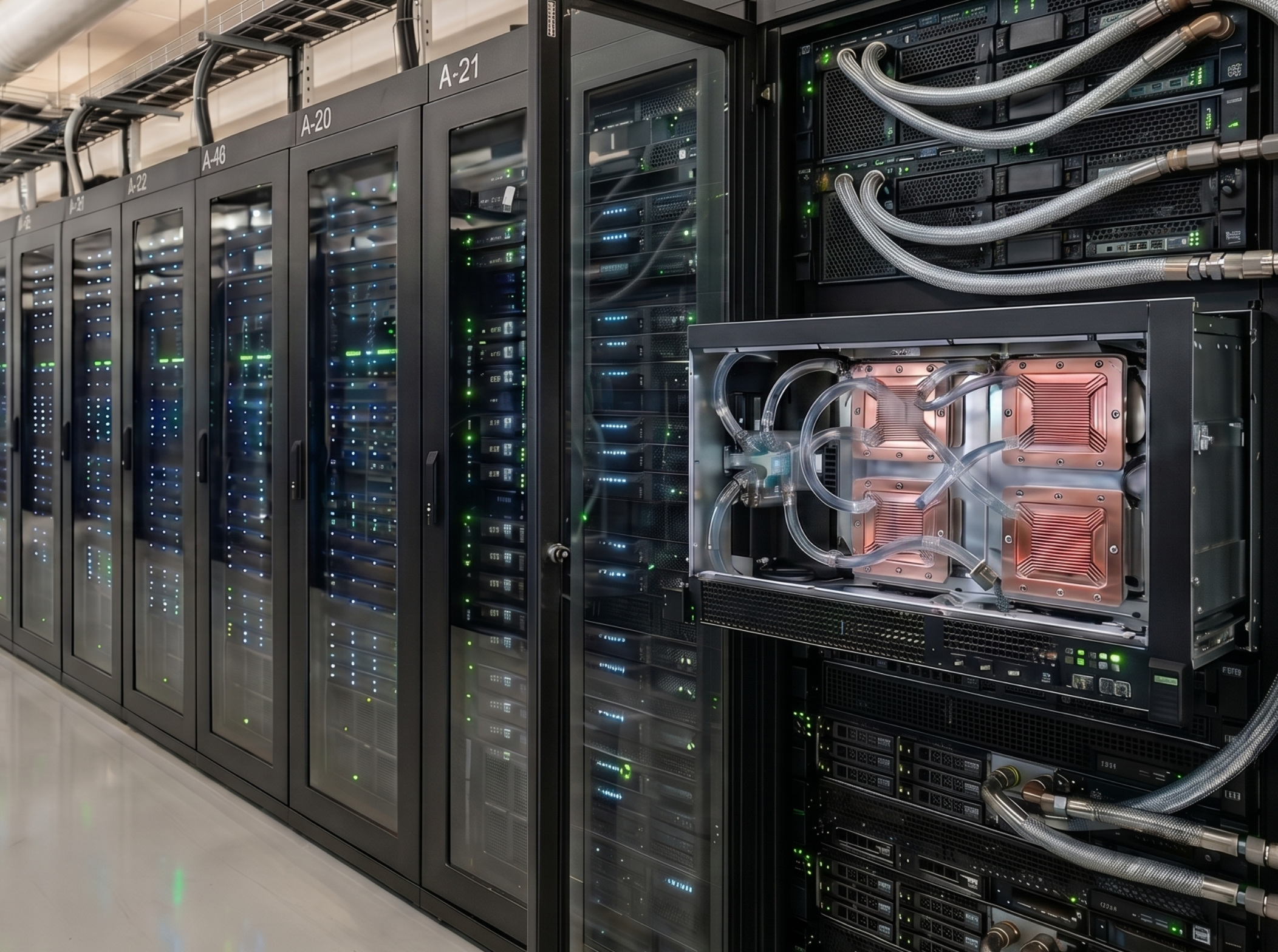
Understand what you have and where it lives. Many midmarket companies operate hybrid environments: some workloads on-premises, others in the public cloud, and legacy systems that can't easily move. This reflects how midmarket companies operate. The goal is optimization, not elimination.
Start by identifying your most critical systems and determining the right deployment model for each. Not everything belongs in the cloud. Some applications perform better on-premises. Regulated data may need specific environments, and cost matters too. This becomes especially important as organizations evaluate AI workloads - knowing which systems need the compute power and data access to support machine learning models, and which can remain on traditional infrastructure.
Consolidate where it makes sense. Multiple overlapping tools increase complexity and cost. Look for ways to consolidate and simplify management without sacrificing capability, reducing unnecessary complexity.
Our work with Benjamin Moore demonstrates this approach. When they migrated approximately 200 servers to Microsoft Azure, optimization work began during the migration planning phase. The result: 19% reduction in cloud costs over 12 months through commitment discounts, rightsizing resources, and eliminating cloud waste.
Automate routine work. AIOps-driven approaches use AI and machine learning to handle routine tasks, catch issues before they become problems, and free up your team for higher-value work. For midmarket companies with lean IT teams, this capability matters.
The goal is to create infrastructure that efficiently supports your business requirements. This takes time. Protect this work from quarterly budget pressure that pushes for immediate ROI. Infrastructure improvements compound over time.
Security: moving from reactive to proactive
Most organizations today respond to threats rather than prevent them. Our 2025 Cloud Insights Report indicates that fewer than 15% of organizations have adopted proactive security approaches. That leaves 85% in reactive mode, waiting for incidents and then scrambling to respond. As organizations adopt AI and expand their digital footprint, the attack surface grows. Proactive security also means protecting AI implementations, API ecosystems, and data pipelines.
What proactive security requires:
Continuous monitoring across your entire environment, not just periodic scans. Threat detection that identifies issues before they become breaches. Response capabilities that work 24/7, including weekends and holidays when attacks often happen.
This is where partnerships become essential. Managed Detection and Response services provide continuous monitoring and threat management without requiring you to build and staff a security operations center.
Zero Trust as the framework. Instead of trusting everything inside your network perimeter, Zero Trust assumes no implicit trust and continuously validates every access request. This matters more as your attack surface expands with cloud adoption, remote work, and new technologies.
Identity and access management ensure people can access what they need while preventing unauthorized access. Microsegmentation creates isolation between network segments, limiting how far threats can spread if something does get through.
Post-quantum cryptography is becoming relevant sooner than many organizations expect. The encryption protecting your data today may not protect it against future threats. Planning for this transition now is easier than scrambling later.
Security partnerships work when providers understand your environment and your constraints. Look for proven capability in midmarket environments with enterprise-grade security at economics that make sense for your budget.
Digital workplace: removing friction from daily work
After infrastructure is optimized and security is proactive, focus shifts to the technology your workforce uses every day. This is where productivity improvements happen, and competitive advantage gets created.
Focus on removing friction. If the new collaboration platform is harder to use than the old one, people won't adopt it. If self-service capabilities add steps rather than removing them, they create problems rather than solving them.
Design around how people work. Your field service teams have different requirements than your finance department. Your executives need different capabilities than your customer service representatives. One-size-fits-all solutions fail in midmarket environments.
Persona-based approaches design technology around actual user needs. Understand what each group does, what slows them down, and what would make their work easier. Then deploy solutions that address those specific needs.
Experience matters as much as capability. The most sophisticated tool that people avoid using delivers no value. Involve users early in the process. Pilot solutions with real teams. Gather feedback. Adjust based on what you learn. Deploy what works.
This is where midmarket companies can move faster than enterprises. You have fewer layers of approval, closer relationships between IT and business teams, and the ability to test and iterate quickly. Use that agility as an advantage.
Measure business outcomes in addition to technology metrics. Track how workplace improvements affect productivity, customer satisfaction, and employee retention. These metrics matter to business leaders and justify continued investment.
How these work together
Infrastructure, security, and digital workplace work as a system.
Solid infrastructure supports both security capabilities and workplace solutions. Security protects infrastructure and workplace technologies. Digital workplace solutions depend on reliable infrastructure and strong security.
When you address them in sequence rather than simultaneously, each builds on what came before. Infrastructure provides the foundation. Security protects that foundation. Digital workplace creates value on top of it.
The timeline varies based on your starting point. Some organizations need significant infrastructure work. Others have solid foundations and can move quickly to workplace improvements. Assess honestly, sequence deliberately, and execute consistently.
Finding the right partners
Building this foundation while maintaining operations requires capabilities most midmarket companies need to supplement externally. ISG recently recognized Unisys as a leader in cybersecurity solutions for midmarket companies for the third consecutive year. Everest Group named us a leader in digital workplace services for midmarket enterprises for the second year. These recognitions validate the approach I've outlined here.
Theory matters, but execution determines results. The foundation you build today creates what's possible tomorrow. Get the infrastructure right, make security proactive, and equip your workforce with technology that removes friction from their work. That's how midmarket companies create sustainable competitive advantage.
Ready to execute? Contact us to learn how Unisys helps midmarket organizations build the infrastructure, security, and digital workplace foundation that enables transformation.